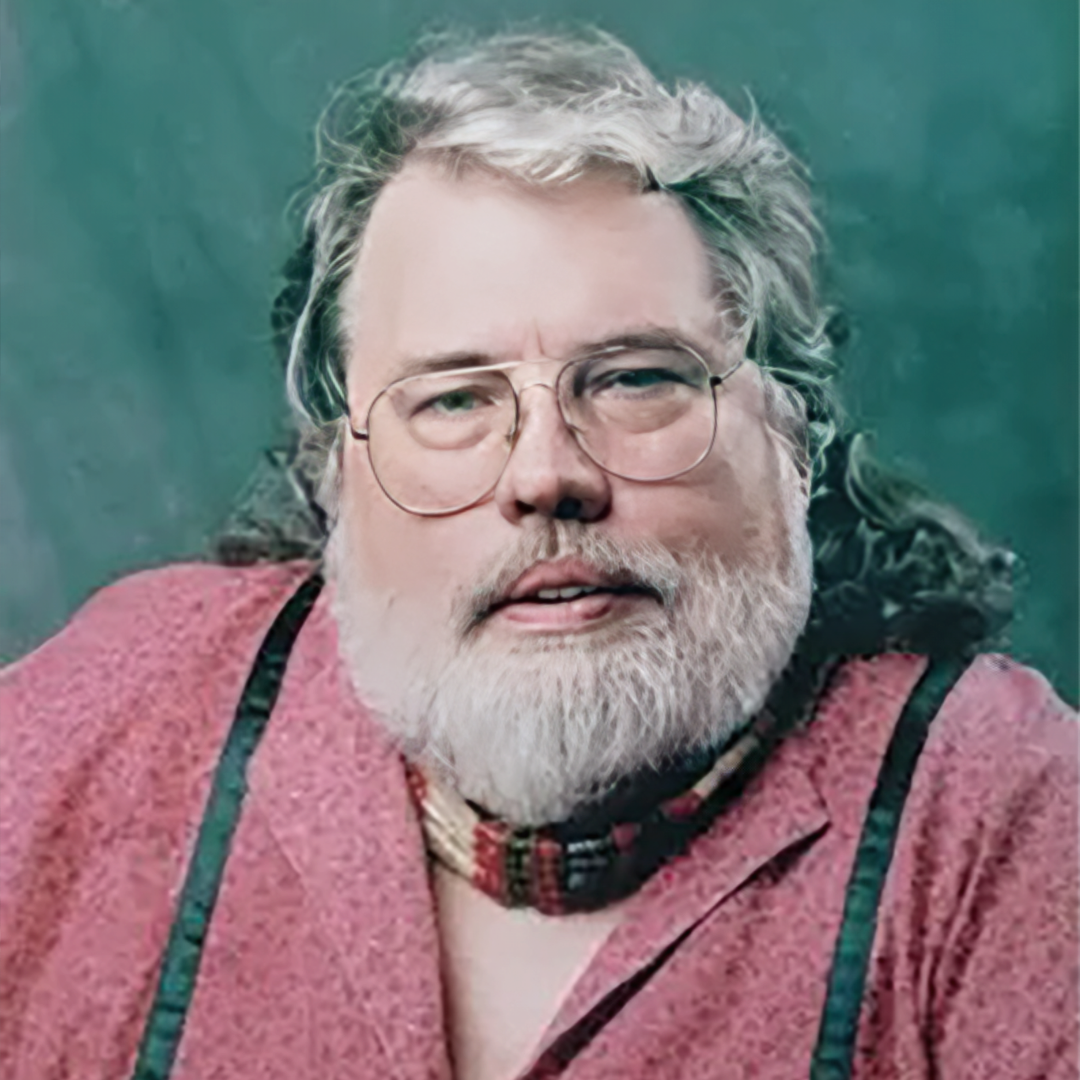
Judge Steve Russell was the first member of a federally registered Indian Tribe to serve in the judiciary in Travis County. Judge Russell grew up in the Muscogee Nation, became a registered Cherokee Tribal Citizen, and then also became a ninth-grade high school dropout. Against all odds, after growing up a bit and serving in the Air Force, Judge Russell enrolled and attended the University of Texas at Austin and graduated magna cum laude in 1972. Thereafter he worked to obtain a master of judicial studies at the University of Nevada in 1993. To obtain his master’s diploma, Judge Russell wrote his thesis: Ethnic Cleansing and Land Ownership: Why the Native American Graves Protection and Repatriation Act Does Not Protect Native American Graves in Texas.
Judge Russell was appointed to the Austin Municipal Court in 1978. From 1980 to 1982, he was the presiding judge. He was elected from there to the Travis County Court-at-Law bench, where he served from 1982 to 1995, at which time he retired.
Judge Russell was instrumental in the creation of The Texas Indian Bar Association (TIBA) in 1992 as a non-profit organization. Thereafter, the Texas Indian Bar Section (now the Native American Law Section) was created and sanctioned by the State Bar of Texas in January of 1994 (and the TIBA was dissolved). Judge Russell joined TIBA while a Travis County Court-at-Law judge and by the time the Texas Legislature convened in January of 1993, he was involved with TIBA in working on state-level legislation impacting protection of Native American graves.
In The Rag Blog on January 11, 2010, Judge Russell shared about his experiences in representing TIBA on graves legislation in Texas and said that he was “outed” as being a Native American in that effort, even though he had never tried to hide his Cherokee identity. Judge Russell had always been a Cherokee citizen, but news articles now identified him as Native and as an advocate for Native issues, which lead to him having to make some detailed explanations concerning who he was and why his interest in these Native issues were so near and dear to him.
When the Native American Law Section was created, Judge Russell continued to testify before the Texas Legislature on Native American graves protection and repatriation issues and published several articles regarding his experiences, including in the Winter 1998 Texas Forum on Civil Liberties & Civil Rights, in which he published: “Sacred Ground: Unmarked Graves Protection in Texas Law.”
After retiring from the bench in 1995, Judge Russell went on to start a second career teaching criminal Justice at the University of Texas at San Antonio. Upon leaving San Antonio he served as associate professor emeritus, also teaching criminal justice, at the Indiana University of Bloomington, from which he later retired in 2010.
Judge Russell wrote a number of well-received articles on issues including Native identity and more broadly on many pressing Indian law issues. Judge Russell wrote five books on Native issues through Iron Dog Press and Carolina Academic Press; he also became involved in cases concerning the Cherokee Nation of Oklahoma, including the freedman citizenship case; and he became a contributing editor to Indian Country Today.
Judge Russell relished in telling his story to anyone who would listen about him succeeding against all odds: dropping out of school in ninth grade before winding up in the Air Force and then earning his first degree from UT Austin, and graduating magna cum laude. He used his experiences to encourage many young people who crossed his path as he served as the first Native American judge in Travis County. Judge Russell also often recounted that at one time he had decided to become a civil rights attorney, but at the time he said he knew of no other Natives who were civil rights attorneys, so he became a judge. Judge Russell passed away on Sept. 26, 2021, at the age of 74. He was a writer to the end and not surprisingly he wrote his own obituary.
Judge Russell was a trailblazer and accomplished many “firsts” in his life. Travis County was much the richer for having Judge Steve Russell on the bench sharing his life experiences and encouraging all whom he encountered.