[publishpress_authors_box layout="ppma_boxes_121"]
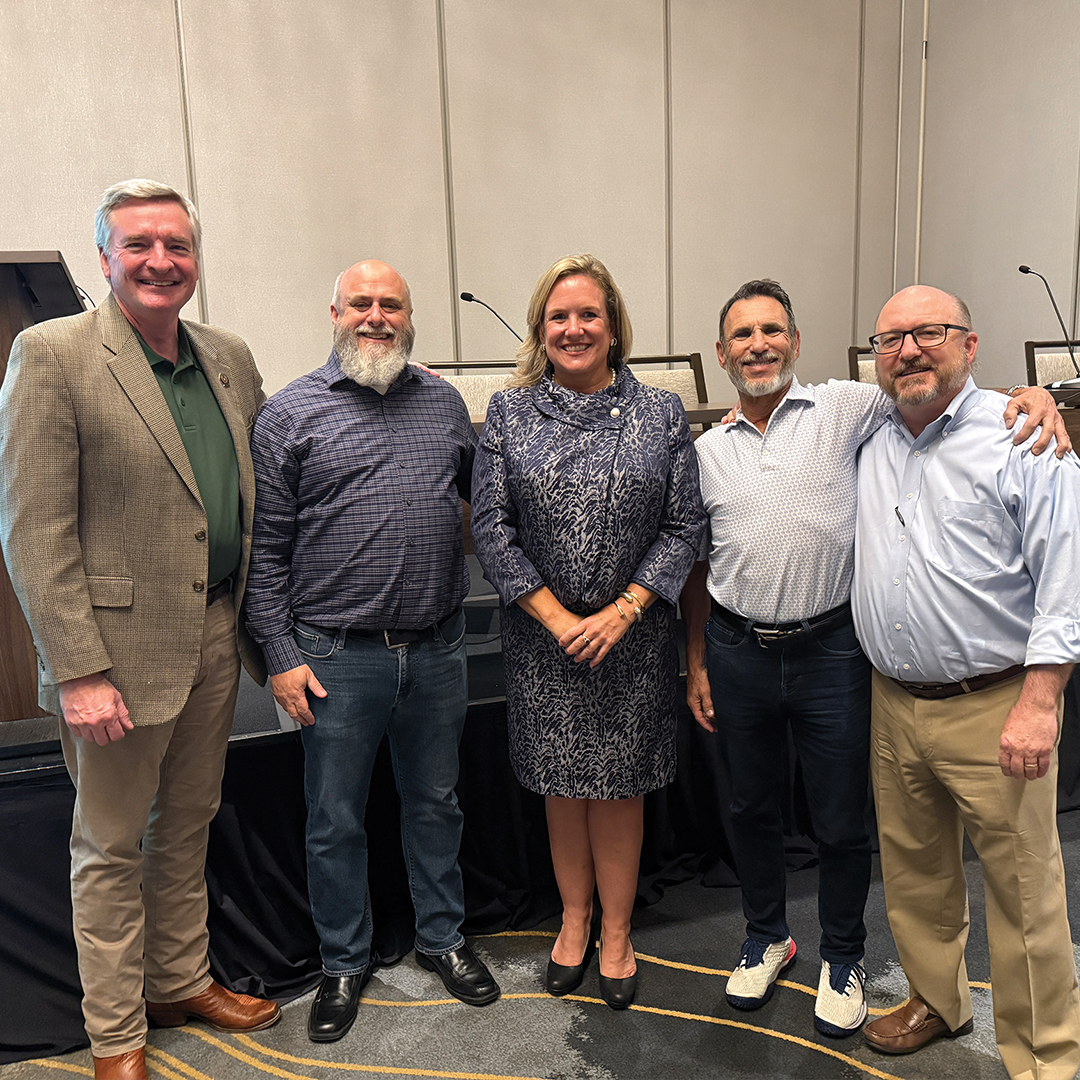
In 2025, the Austin Bar Foundation, in partnership with the Travis County District Courts, the Texas Lawyers Assistance Program (TLAP), and the State Bar of Texas, launched the Crisis Assistance Program (CAP).
This program provides a way for attorneys to temporarily reassign their cases in order to receive treatment for up to 90 days for a mental health problem or substance use issue.
To participate in the program, an attorney needs to have a custodian attorney established with the State Bar of Texas in case they are unable to come back and practice law. That custodian attorney will then help coordinate the reassignment of the affected attorney’s cases to other practitioners in the same field.
From Stop the Stigma to CAP
The program was developed while Mary-Ellen King was chair of the Austin Bar Foundation. King appeared on an episode of the podcast Reimagining Justice: Exploring Texas Innovation in Mental Health in May 2026.
A partner at Lucosky Brookman and former Austin Bar president, King said the program is especially important to her because of both professional and personal experiences.
Her 2024 bar presidency centered on the Stop the Stigma initiative, designed to encourage lawyers to seek help for mental health challenges, substance use disorders, and suicidal thoughts. The effort was deeply influenced by the death of her former law partner and ex-husband, who died in 2023 after struggling with alcoholism.
“He thought he would lose everything if he admitted he needed help,” King said during the podcast. “That’s not true.”
The idea for CAP emerged after conversations with state bar leaders about a critical gap in lawyer assistance programs. While resources existed for treatment and counseling, there was little practical support for attorneys who needed to leave their practices temporarily.
Solo practitioners, in particular, often delayed seeking treatment because they had no one to handle client matters in their absence.
45 Attorneys Step Up to Help
Initially envisioned for attorneys facing mental health or substance use crises, the program quickly expanded to include temporary physical illnesses after its first major case involved Austin family lawyer Chris Philley, who was diagnosed with glioblastoma. Philley needed to step away from his practice to undergo urgent treatment.
Within a day of the Austin Bar seeking volunteers, 45 attorneys agreed to help manage his caseload of 72 cases.
Volunteers communicated with clients, attended hearings, completed routine legal work, and ensured that cases continued moving through the courts.
At the same time, the Austin Bar raised approximately $25,000 through a Meal Train campaign to support Philley and his family, while grants helped pay his legal assistant during the transition.
King called the response one of the profession’s proudest moments.
“People who didn’t even know him stepped forward simply because another lawyer needed help,” she said.
How CAP Works
CAP requires participating attorneys to designate a successor attorney and provide an inventory of active cases before volunteers are assigned.
The program also coordinates with judges and provides malpractice insurance coverage for volunteer attorneys.
Although assistance is capped at 90 days, King said the limit balances compassion with the needs of clients and the courts. Attorneys facing longer-term disabilities are encouraged to pursue permanent succession planning.
Looking Toward the Future
For now, CAP is available to Austin Bar members, but King and state bar leaders hope to develop a statewide framework that local bar associations can adopt.
Expansion into criminal law is also under consideration, though unique constitutional issues such as speedy trial requirements require additional planning.
King hopes the program sends one message above all others: lawyers do not have to suffer in silence.
“You are not alone,” she said. “If you ask for help early, people will stop what they’re doing to help you.”
Attorneys who take advantage of the reassignment services provided by the Crisis Assistance Program (CAP) are also eligible for financial aid programs to help pay for treatment.
Justice Mack Kidd Fund
The Austin Bar administers the Justice Mack Kidd Fund, which provides up to $2,500 for attorneys and UT Law students to receive treatment for depression or similar mental health conditions.
Personal Crisis Assistance Program (PCAP)
The Austin Young Lawyers Association (AYLA) administers the Personal Crisis Assistance Program (PCAP), which provides financial assistance of up to $1,500 for attorneys facing unexpected emergencies and/or connects impacted attorneys with volunteer lawyers to temporarily assist with active cases.
Sheeran-Crowley Lawyer Wellness Trust
The Texas Lawyers Assistance Program (TLAP) administers the Sheeran-Crowley Lawyer Wellness Trust, which provides financial help to Texas attorneys, judges, and law students who need treatment for substance use, depression, and other mental health issues.
Learn More
To inquire about any of these services, please contact delaine@austinbar.org.